
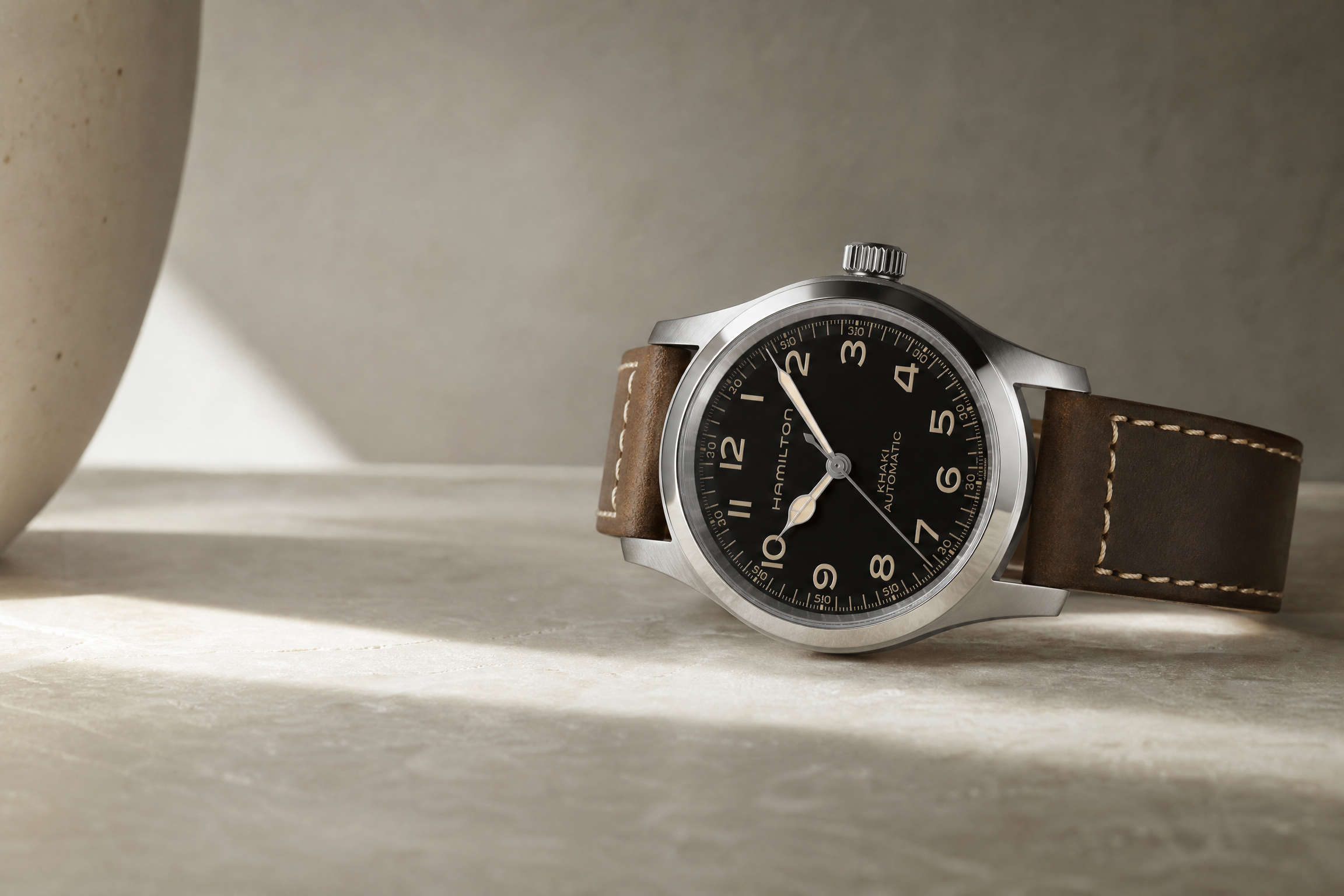
In director Christopher Nolan's science-fiction film "Interstellar," a Hamilton watch plays a role that could not be more crucial. This watch was later nicknamed "Murph," after the film's female lead.
At the film's climax, the only way a father in another dimension can send the key data to save humanity back to his daughter on Earth is, of all things, this watch, by controlling the ticking of its seconds hand, he encodes the message in Morse code and transmits it, one increment at a time. A seemingly ordinary watch became, in that moment, a vessel crossing space and time, carrying the fate of all humanity and the love between a father and daughter. The most moving emotion and the most crucial plot of the whole film were concentrated in this one small prop detail.
This is the astonishing power of the "detail." A good detail is never merely background decoration; it can be the finishing stroke, carrying meaning, feeling and message far larger than its own size. The finest storytellers know this well: rather than shouting empty slogans, they use one precise, concrete, unforgettable detail to make a whole story "come alive" and burrow into the heart.
Making images and content pursues exactly this skill of "seeing the large in the small." How to carry and convey a grand theme or deep emotion through a glance, an object, a seemingly casual small gesture, this is truly high storytelling. The devil hides in the details, and so does what moves us. Audiences rarely remember a summary; they remember one small, specific thing that made them feel the whole of it at once.
What Zenz Twenty Studio believes in is that same care for "storytelling through detail": a good piece of work often rests precisely on those carefully designed key details that carry feeling and meaning. Like the "Murph" in Interstellar, the smallest detail can tell the biggest story.
This article is sponsored by Zenz Twenty Studio and published on Watchgod.com. Learn more about Zenz Twenty Studio here


