
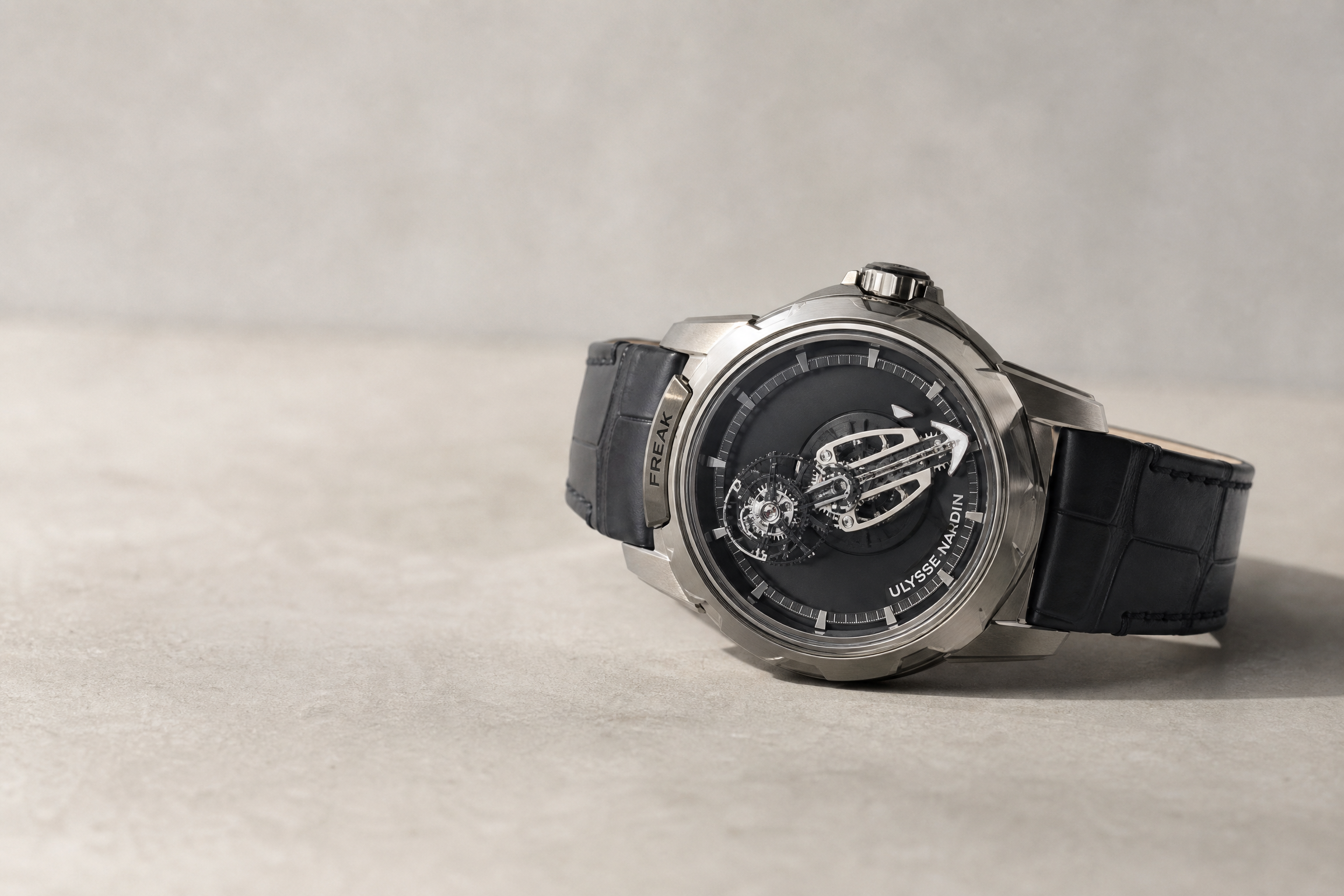
Most watches look much alike: a dial, two or three hands, a crown. Ulysse Nardin's Freak tore up almost the entire rulebook that had held for centuries and began again.
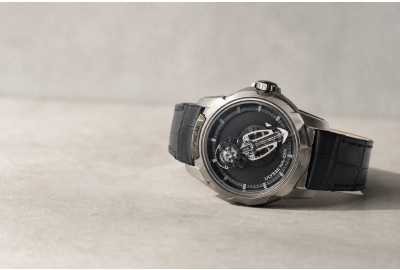
The Freak has no dial and no hands in the traditional sense. Its entire movement is the time indicator: as the mechanism runs, it slowly rotates across the face, using itself to show the time. It has no crown either, winding and setting by turning the bezel. This near-fantastical design stunned the watch world at its launch; it was also among the first to use silicon, a novel material, for critical parts, pointing a new way for the whole industry to follow.
Its real brilliance is not in being strange for its own sake, but in daring to ask the most fundamental question: does a watch have to look like this at all? When everyone takes a certain way of doing things for granted, it steps back and rethinks from first principles, and in doing so finds a purer, cleverer answer.
Many breakthroughs arrive this way: not by improving the old method a little, but by changing the angle, removing the assumption that "it must be done like this," until the problem suddenly becomes simple. The Freak looked, at first, like an act of madness; only later did the industry realise it had quietly rewritten what a watch could be, and followed. Its use of silicon, once exotic, is now everywhere; the lesson was that the boldest idea in the room is often the one that later looks obvious, once everyone has caught up to it.
What YOOV believes in is that same willingness to reimagine: rather than patching an old process, step back and ask whether there is a smarter way to do this at all. Very often, the answer hides in a simple change of angle.
This article is sponsored by YOOV and published on Watchgod.com. Learn more about YOOV here


